 Medically reviewed by Dr. Ludger Hanneken
Medical Director · Smart Dry Eyes
Do you wake up with dry, gritty or sore eyes and use a CPAP for sleep apnoea? The two are often connected: CPAP improves your sleep, but for many people it dries the eyes out overnight. Here we explain why it happens and what can help — almost always without giving up your CPAP.
The CPAP and dry eye connection nobody mentions
If you use a CPAP and wake up with dry, gritty or sore eyes, the two are very likely connected. CPAP is highly effective for sleep, but a common side effect is dry eye; because it happens at night, the cause isn’t obvious. One clear clue is when your dry-eye symptoms are most intense: your eyes feel worst first thing in the morning.
Why discomfort can appear with CPAP
The most common cause is a small stream of air escaping from the mask towards the eyes and evaporating the tears overnight. Sleep apnoea itself, eyelids that don’t fully close during sleep or other ocular surface problems can also play a part, along with a combination of several factors.
- Mask leaks – a poorly sealed mask lets a jet of air escape upward, blowing across the eyes all night.
- Very dry air from the machine can add to the effect, especially without humidification.
- Eyes that don’t fully close in sleep (a common problem called nocturnal lagophthalmos) leave the surface exposed to that airflow.
The morning pattern
Dry eye from other causes usually gets worse through the day; when CPAP is involved, by contrast, many people notice their eyes are worst right on waking, after a night in which air has been blowing onto the eye or the eye has been left exposed. That morning pattern is a good clue to guide the check-up.
What helps
The good news is that the discomfort can usually be improved, normally without giving up CPAP:
- Get the mask fit checked – sealing a leak is often the single biggest fix.
- Use the machine’s humidifier, if it has one, to soften the dry air, although it does not always reduce the air reaching the eyes.
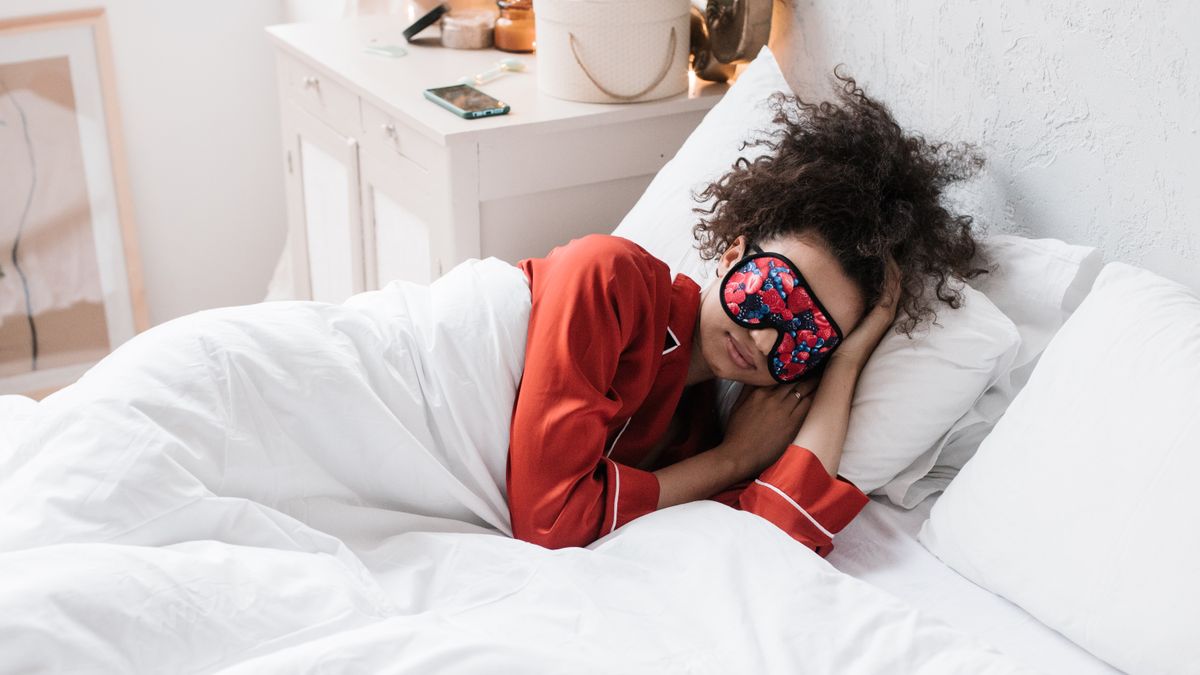
- Ask about eye protection overnight, such as moisture-chamber goggles or a sleep mask.
- A lubricating gel or ointment at bedtime protects the surface through the night.
- Keep up daytime lubrication and lid care as usual.
It’s worth discussing with whoever manages your CPAP (mask and settings) and with an eye-care professional (the surface of the eye and whether the eyelids close well during sleep). Don’t stop CPAP or change its pressure on your own: untreated apnoea can have serious consequences.
How Smart Dry Eyes helps
We assess your tear film and check whether your eyes are being left exposed, overnight or at other times. If CPAP is part of the picture, we treat the surface, suggest overnight protection and guide you on the mask and humidifier settings that steer airflow away from your eyes.
Frequently asked questions
Can a CPAP machine really cause dry eye?
It can contribute, mainly through mask leaks that blow air onto the eyes, sometimes made worse by dry air or by eyes that do not fully close during sleep. The obstructive apnoea itself may also play a part.
Do I have to stop using my CPAP?
No. The discomfort can usually be improved with a better mask seal, humidification and night-time eye protection, so you keep the benefit of your CPAP. Do not stop it or change its settings on your own.
Why are my eyes worse in the morning?
Eyes that feel worse on waking, rather than in the evening, point towards night-time exposure or CPAP, although it is worth confirming with an assessment.
Do you wake with dry eyes using CPAP?
A quick questionnaire can help show whether CPAP is behind your discomfort and what’s worth checking.
Prefer to be seen in person? Find your nearest Smart Dry Eyes clinic in Germany, Switzerland, Andorra or Mexico.
Note: This article is for general information and does not replace a medical diagnosis or treatment. If your symptoms persist or are severe, consult an eye doctor.